Weak airflow is one of those HVAC problems that feels minor at first, then quietly turns into something expensive. The air still blows, the thermostat still moves, and the system makes the usual noises. But when the rooms never fully cool, the vents feel lukewarm, or certain areas stay stubbornly warm, your AC is doing the hard part without delivering the comfort you paid for.
In Manor TX, that matters more than most places. Humidity, long cooling runs, and heat that ramps up fast can stress components and expose issues that would otherwise show up later. When airflow drops, comfort drops with it, and so does efficiency. The good news is that weak airflow usually has specific causes. With the right inspection and repair, you can restore strong circulation, better humidity control, and more even temperatures across the house.
This is where AC Repair in Manor TX needs to be more than “check the capacitor and send you on your way.” You want an HVAC contractor in Manor TX who understands airflow as a system, not a single part.
The real meaning of “weak airflow”
People often describe weak airflow as “not enough cold air,” but it’s useful to separate the symptoms.
Sometimes the air coming out of vents is strong, but it feels warm. That points toward cooling performance or refrigerant issues. Other times the air is cold, just not moving enough of it. That points toward airflow restriction, blower issues, filter problems, or duct limitations.
Then there’s the third pattern I see a lot in Manor: you get airflow in some rooms and barely any in others. That often indicates duct balancing problems, blocked or collapsed duct sections, or dampers not functioning as they should.
A good AC repair tech doesn’t treat these as separate mysteries. Weak airflow is usually one of a few measurable things: reduced blower speed, blocked airflow paths, duct restrictions, or a system fighting against static pressure it can’t overcome.
Quick reality check: a low-effort cause you can rule out today
Before you assume something major is broken, do a short house-level check. In my experience, the most common “fix” for weak airflow is also the simplest: the system is working, but it cannot breathe.
Here are a few things you can check safely without tools, and without messing with electrical components.
- Confirm the filter type and size. If it’s the wrong size or sits too loosely, air bypasses and reduces airflow where you need it most. Look for heavy dust on the filter surface. If it’s clogged, airflow will drop quickly in hot, humid weather. Check that supply and return vents are not blocked by furniture, curtains, or storage. Make sure you didn’t recently close too many dampers or vents. Even partial closure in multiple rooms can add up. Listen for unusual blower behavior. If it sounds weak, rattly, or intermittently quits, that’s a clue.
If you’ve ruled those out and the problem persists, it’s time to talk to a contractor who can measure the system instead of guessing.
What’s happening inside the air handler
Most residential systems in the Austin area use a blower inside the air handler or furnace cabinet. The blower pulls return air through the filter and returns it to the home through the supply ducts. That circulation is what moves conditioned air from room to room and carries heat out of the living spaces.
When airflow is weak, one of these typically happens:
The blower motor cannot spin at the correct speed. The blower wheel is dirty enough to reduce movement. Static pressure is too high because airways are restricted. Ductwork is undersized, obstructed, or leaking in the wrong places.A key point: airflow issues often get worse over time. Dust builds up, filters get clogged faster during peak summer use, dampers drift, and duct leaks expand. If the system was “fine last season,” the timing is a clue. It often suggests something changed, not that the system suddenly forgot how to blow.
Common causes of weak airflow (and how repairs actually look)
1) Dirty blower components and airflow resistance
A blower wheel can accumulate dust, especially if the filter is undersized, not installed correctly, or if there’s been any bypass. When that wheel gets coated, it does not move the same volume of air. You might feel a difference right away, or you might notice it gradually as the system runs longer to try to reach temperature.
When technicians do blower cleaning, it’s not just “wipe the visible dust.” Proper cleaning also includes verifying that the wheel is centered and that nothing is rubbing. If you have a belt-driven system, belt wear and misalignment can also reduce effective airflow. In newer systems, we focus on motor performance and control behavior.
A well-done repair restores airflow and often improves comfort immediately. The room air feels like it finally circulates instead of sitting there.
2) Filter and return-air problems (more than just “change the filter”)
A clogged filter is the obvious one. The less obvious issues can be just as common: the filter slot might be installed incorrectly, the return grille might be undersized, or the system might be pulling from a return path that has been partially blocked.
Some homes have returns only in certain rooms. Others have returns that are too close to supply vents, which can lead to short cycling and weak circulation. If your return airflow is weak, supply airflow will also struggle, because the system is not pulling enough air back into the unit.
When AC maintenance in Manor TX is done with airflow measurement in mind, this kind of issue gets caught early. It’s not flashy, but it prevents the “why is it taking forever to cool” calls that arrive after the peak heat season hits.
3) Supply duct restrictions or collapsed sections
In many older homes, ductwork can sag over time or develop internal obstructions. A partially collapsed duct section can be hard to spot visually. The system may deliver air, but it’s trapped or redirected in ways that reduce volume where you need it.
Sometimes the duct restriction shows up as an uneven temperature pattern. You might get strong airflow near the unit and weaker airflow farther away. Or the top floor stays warm while downstairs cools.
Repair here depends on what’s going on. If the issue is a damaged segment, a contractor may recommend targeted duct repair or replacement, not just “increase blower speed.” Rerouting ducts to reduce restrictions can be more effective than compensating with higher AC Repair in Manor TX fan operation that increases noise and wear.
4) Blower motor, run capacitor, or control board issues
When airflow weakens, it’s tempting to blame everything on the ducts. But I’ve seen plenty of cases where the blower is not hitting the correct target speed.
- A failing capacitor can cause the motor to start slower or not reach full speed reliably. A motor that’s wearing out can deliver less airflow even when the system runs. Control board issues can change blower behavior, especially in systems with variable-speed motors.
The symptoms often overlap, which is why measurement matters. A tech might confirm airflow by checking static pressure, verifying temperature split trends, and observing blower speed commands compared to actual operation.
5) Refrigerant and cooling performance that looks like airflow trouble
Sometimes the air feels weak because it is not cooling effectively. When refrigerant is low or a restriction exists, the evaporator coil may not absorb heat properly. The result can be a cycle that runs longer, creates less usable cooling at the vents, or even thaws and refreezes components.
This is where judgment is crucial. The fix for weak airflow might not be “airflow” at all. It might be a cooling system problem that changes airflow requirements indirectly.
A persuasive HVAC contractor in Manor TX will not do blind swapping. They’ll assess the whole system: airflow, temperature, pressure behavior, and how the unit responds under normal load.
6) Outdoor unit airflow and coil cleanliness
When people say “weak airflow,” they usually mean indoor vents. But outdoor airflow affects system performance too. If the outdoor coil is clogged with debris, you might see reduced heat rejection. That can cause the indoor unit to perform poorly, increasing runtime and creating the sensation that the whole system is weak.
In Manor summers, outdoor coils can collect dust, cotton-like debris, and yard grit. Cleaning the outdoor coil and checking airflow paths can improve system response, though it’s typically not the sole cause of drastically reduced vent airflow. Still, it’s part of a proper diagnosis.
A quick story from the field: uneven rooms that wouldn’t quit
A homeowner in Manor TX once described a classic scenario: the living room felt cold enough, but the hallway and bedrooms upstairs stayed warm for hours. The thermostat was correct, the system ran, and yet the comfort never arrived where it was needed.

We checked the filter and returns first. Everything looked normal. Then we inspected supply registers and measured airflow at multiple points. The pattern was telling: airflow dropped off notably as it went to the upper rooms.
The duct inspection revealed a sagging run that had partially collapsed over time. The unit’s blower was pushing against a restriction, so the far rooms never got the volume required for even comfort. The repair focused on restoring the duct segment’s shape and reducing restriction, not simply increasing blower speed.
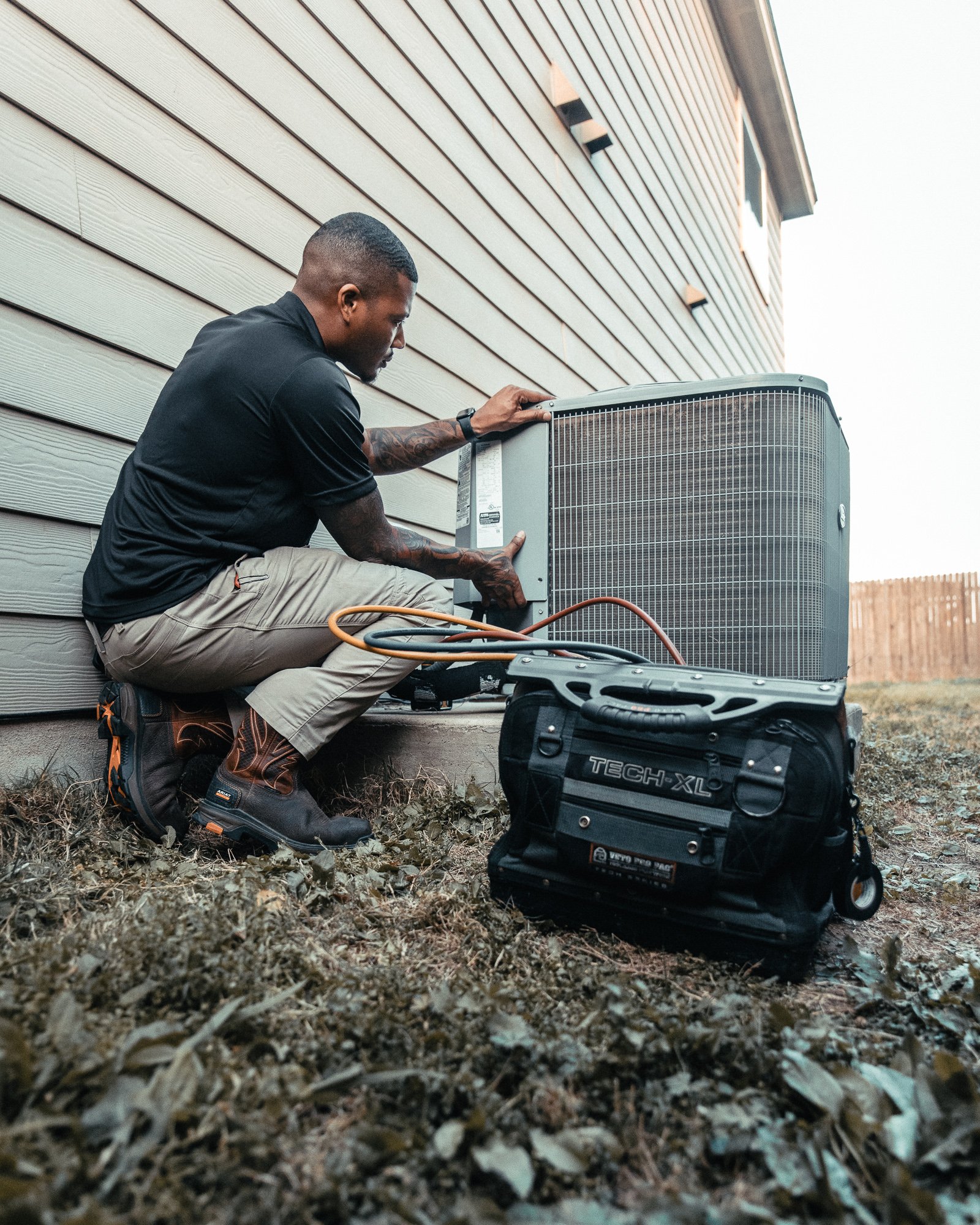
After the repair, airflow felt consistent. The system also cycled more reasonably, because the cooling process stopped fighting the duct restriction.
That’s the difference between guessing and diagnosing. Weak airflow can be a symptom of something structural in the ductwork, and that repair restores comfort more reliably than tweaking settings.
Why you should care now, not later
Weak airflow does more than make your home uncomfortable. It can also affect the entire system’s health.
When airflow is restricted, the evaporator coil can absorb heat inefficiently. That can lead to longer runtimes, higher humidity issues, and more stress on components. Over time, the system may accumulate more debris because it runs hotter and longer, which can accelerate wear.
There’s also a comfort aspect that people underestimate. Air distribution is what makes a home feel balanced. When airflow is weak, you might crank the thermostat lower, then notice the air still feels stale. That can lead to unnecessary energy use while providing less actual cooling.
If you want an AC Repair in Manor TX solution that feels like it fixed the real cause, focus on restoring the system’s ability to move air, not just getting it to run.
What to ask an HVAC contractor before they start
A lot of HVAC service calls are fast because the technician has seen the pattern before. But you still want clarity about what they’re doing and why.
When you contact ATX Heating & Air Conditioning LLC or any HVAC provider in Manor, consider asking questions like:
- Will you measure airflow or static pressure, or are you relying on visual inspection alone? How will you confirm whether the blower speed is the issue, or if the ducts are restricted? If you suspect ductwork, do you check returns, supply runs, and possible obstructions? If the problem seems electrical, will you test the capacitor, motor performance, and control signals?
A strong service experience feels transparent. You should walk away understanding what was wrong, what was repaired, and what to expect afterward. You should also get guidance on filter choice and maintenance routines that keep airflow stable between service visits.
How AC maintenance reduces weak airflow problems
Most homeowners think of maintenance as “preventing a total breakdown.” That’s part of it, but with weak airflow issues, the more valuable benefit is prevention of drift. Airflow problems often worsen in small increments: filters load faster, dust increases on coils, and blower components accumulate grime.
AC maintenance in Manor TX should include coil cleaning when appropriate, checks of blower operation, inspection of filters and air paths, and attention to duct and register behavior when the symptoms indicate distribution problems.
I tell customers that maintenance is like brushing your teeth. You still have to clean, but you don’t wait until things hurt. When airflow stays strong, the system cools more effectively, dehumidifies better, and doesn’t run as hard to overcome restrictions.
Troubleshooting after the repair: what “good” should look like
After airflow repairs, you should notice improvements quickly, but the timeline can vary based on humidity and outdoor conditions. Here’s what I typically expect in the first day or two:
Rooms should cool more evenly. The vents should feel stronger, especially in rooms that were previously warm. You might also hear less “strain” from the system because it’s not fighting excessive resistance.
If the system still seems weak after a repair, it may mean the original issue wasn’t the only issue, or there’s another restriction elsewhere. For example, a blower wheel might be cleaned, but a duct segment could still be restricted, or a control issue might cause blower speed to fall at certain stages of operation.
The point is, airflow should stabilize after the correct repair. If it doesn’t, that’s not the end of the conversation, it’s the start of a better diagnosis.
Two simple seasonal habits that matter in Manor
You don’t have to become an HVAC expert to prevent weak airflow. A couple of habits reduce the most common causes and keep your system performing the way it should.
First, use a filter that matches the size exactly and is appropriate for your system. Many people buy whatever fits the slot, even if it’s thinner than specified. A poor fit creates bypass and reduces the filter’s effectiveness while still allowing dirt to coat components.
Second, pay attention to how the system behaves when it runs. If you feel airflow dropping during longer cooling cycles, or you notice increasing unevenness between rooms, that’s often an early sign of a worsening airflow restriction. Catching it before the peak heat stress builds up can save money and protect comfort.
When weak airflow might require more than repair
Most weak airflow problems are repairable and fixable with targeted work. But there are cases where the best solution is a broader upgrade, especially when ductwork is undersized or the layout is fundamentally mismatched to modern comfort expectations.
If your system is older, or the ductwork is a patchwork of small runs and inconsistent returns, you might get temporary improvement with repairs and cleaning, then see the airflow decline again.
A good HVAC contractor in Manor TX will be honest about that. They’ll explain what’s likely repairable long term and what might require duct rework or system redesign to truly restore balanced airflow.
That honesty matters because weak airflow issues can become a cycle of repeated “fixes” when the root system design cannot support the demand.
Why ATX Heating & Air Conditioning LLC is worth calling for airflow issues
If you’re dealing with weak airflow, you need a provider that treats the problem like a diagnosis, not a guess. Manor TX homes vary a lot in duct design, return configurations, and system age. The right AC Repair in Manor TX approach depends on what’s actually limiting airflow.
ATX Heating & Air Conditioning LLC focuses on solving the cause, whether it’s blower performance, airflow restriction, duct issues, or a cooling problem that’s making the system feel like it isn’t delivering. The goal is not only to get cold air blowing, but to restore stable comfort, better circulation, and a system that runs with less stress.
When airflow is corrected, you usually feel the difference. Air moves the way it’s supposed to. Humidity control improves. The thermostat starts behaving the way you expect. And your AC stops acting like it’s constantly trying, but never quite getting there.
A practical next step
If your vents feel weaker than they used to, if some rooms are chronically warmer, or if your system runs longer to reach temperature, don’t wait for the issue to escalate. A weak airflow problem often has a fix, and the earlier you address it, the less likely you are to deal with secondary damage from overwork.
Reach out to a qualified team for HVAC repair in Manor TX, and ask for an airflow-focused diagnosis. If you do it right, you can get your home back to steady comfort instead of living with uneven temperatures and a system that never seems to fully catch up.
If you want, tell me what your symptom looks like (for example, upstairs warm, only some vents weak, feels warm air, filter condition, and approximate unit age), and I can help you narrow down what’s most likely before your service call.
ATX Heating & Air Conditioning
13809 Theodore Roosevelt St., Manor, TX - 78653
(737) 406-8083
[email protected]
Website: https://atxheatingandac.com/